
BALTIC YACHTS
Baltic Yachts is the world’s leading builder of advanced composite yachts. Our highly skilled workforce uses leading edge marine technology and traditional craftsmanship to create award-winning yachts. Each yacht is unique, unmatched in its quality, unmatched in its performance.
Through our deep understanding of advanced composite materials like carbon fibre, we build luxury yachts, which are lighter, stiffer and faster than the competition. Controlling weight, maximising performance and using a rigid, precision-engineered structure provide the platform for the best possible sailing experience.
OUR UNIQUE YACHTS
Baltic Yachts has built an impressive and highly respected reputation for building a new breed of multi-role yachts performing to the highest standards both as luxury cruisers and successful racing yachts competing on the global superyacht regatta circuit.
Combining the latest carbon fibre engineering with top build quality from our skilled Finnish workforce, yachts like the Baltic 115 Nikata, the Baltic 130 My Song and the Baltic 175 Pink Gin are prize winning examples of how performance and luxury accommodation can be successfully combined in a modern yacht.
PASSION FOR INNOVATION
Our engineers, designers and craftsmen are constantly developing ideas and team up with external experts in their fields to turn what at first might seem an impossible dream into reality.
Whether custom or semi-custom built, each yacht displays features reflecting the forward-thinking nature of our clients.
We pride ourselves in our innovative thinking and design to make our yachts easier, safer and more efficient. Whether it’s a performance-enhancing DSS foil, a retractable propeller or finger-light responsive steering, Baltic Yachts can deliver.
RECENT NEWS
19 April 2024
TWO EVENTS AND A LANDMARK PROJECT FOR BALTIC YACHTS SERVICE & REFIT
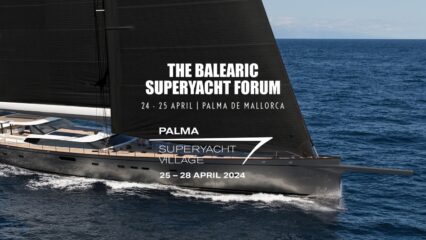
Baltic Yachts Service & Refit is starting the new sailing season with two events in Palma, Mallorca and the completion of a landmark project at Baltic Yachts HQ in Jakobstad, Finland. Baltic Yachts is a headline partner at The Balearic Superyacht Forum on 24-25 April...
More
5 March 2024
TIDE MAGAZINE: FROM LAND TO SEA
Featuring a contemporary, warm and crafted look by Swedish architects Andreas Martin-Löf Arkitekter, the 34m sailing yacht ZEMI is a fine example of how shore-side designers can adapt to create stunning, boundary-pushing yacht interiors Forward-thinking shipyards and owners are becoming increasingly creative and inviting designers...
More
12 February 2024
BALTIC YACHTS APPOINTS NEW CHIEF EXECUTIVE OFFICER
The world’s leading advanced composite yacht builder Baltic Yachts, Finland announces the appointment of new CEO, Tom von Bonsdorff, who joined the company on 5th February, 2024. With a successful background in management for Swedish automotive giant Volvo and more recently for Kesko, where he...
More